


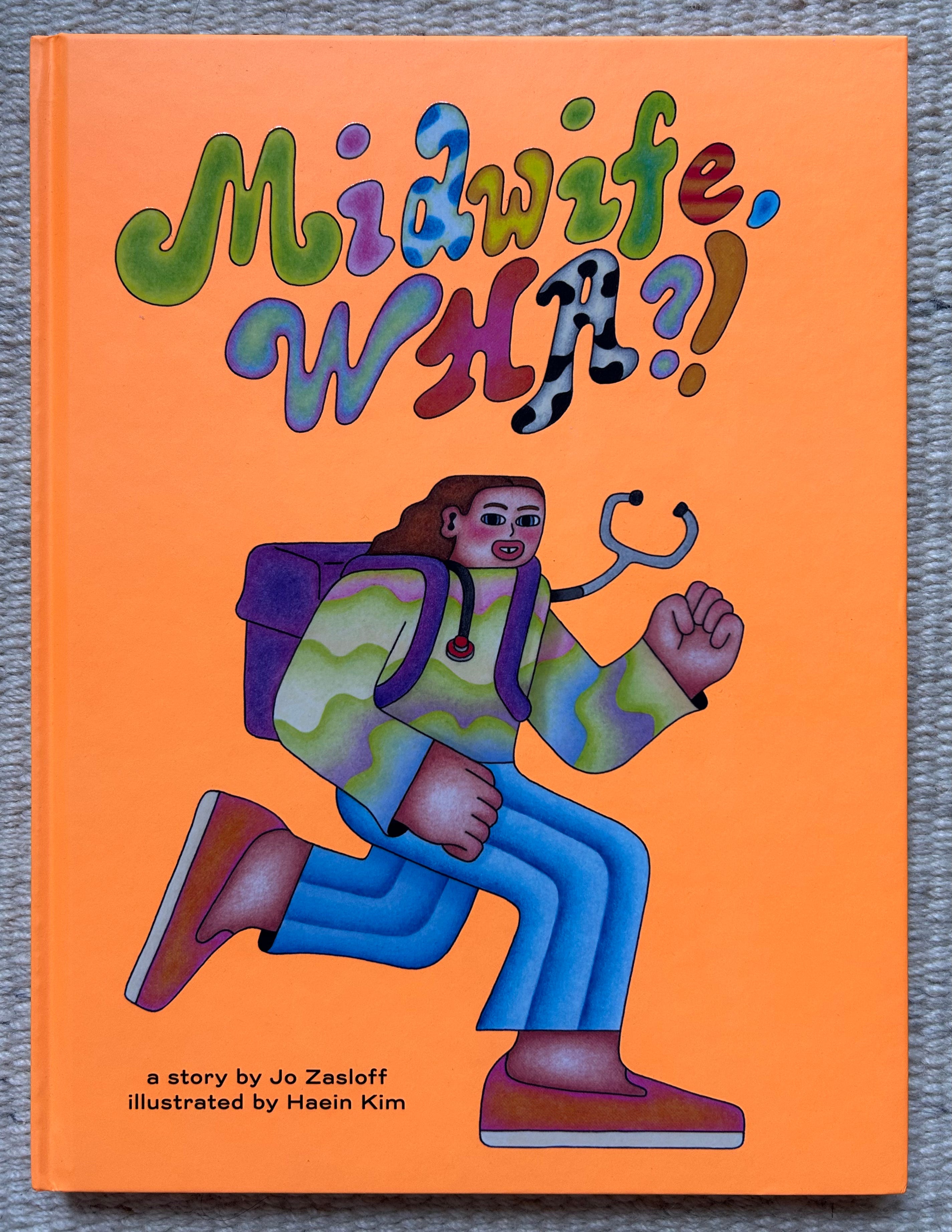
Jo Zasloff has been a Certified Nurse Midwife (CNM) in New York City for over 17 years. Her debut picture book, Midwife, Wha?!, is a vibrant, gender-inclusive introduction to midwifery and birth featuring hand-drawn colored-pencil illustrations by the uber talented Haein Kim. Published by Jo’s own Nettle Wellness Press, the book was born out of years of families asking her for book recommendations to teach their children about pregnancy and birth, and her realization that the book she wanted to share didn’t exist yet.


When her publicist offered me an advance copy, I quite literally squealed with delight. I got the opportunity to chat with Jo this week to learn about her, her work (she does it all!), and about the process of creating this wonderful book.
This conversation has been edited for length and clarity. Please enjoy!
Jo: Hi, Sophie, it’s so nice to meet you!
Sophie: It’s so nice to meet you too! I’ve never done an author interview before, so this is thrilling! Also, this truly my dream book, so getting to chat with you about it really is the cherry on top. How have you been? Has the release been so exciting?
Jo: It’s been so special. It’s so sweet to have families and people reach out and say, “My kid loves it and is learning so much.” I just feel so proud. I’m like, “Yay! We did it!”
Sophie: So, this is your first book for your imprint. Did you always know you wanted to make this book? Was it always going to be a picture book?
Jo: Yes! I’ve been thinking about children’s books for as long as I can remember—I’ve had many different ideas over the years. I’m a very visual person, and I’ve always been drawn to children’s books, even before I had kids of my own. I actually had an idea in college to write a children’s book about a person experiencing winter for the first time, but I had never sat down and wrote one.
This book came out of necessity, and maybe that’s why I finally made it! For years as a midwife, families have asked for kids’ books to teach their children about birth and midwives. My [midwifery] practice was mostly hospital-based births for a while, but a few years ago, I pivoted to making homebirth the primary focus. That’s when the need for a children’s book became even more important—this kid might actually be at the birth and witness it! What better way to teach someone about life and tricky topics than through a book?
So I started buying all the books I could find on this subject, and I felt like they were just okay. Of course, there’s hard work in every book that gets made, but none of them aligned with me. A lot of the existing books felt dated and sterile. I would only recommend them with caveats like, “But I don’t love the pictures,” or, “They don’t use gender-neutral language.”
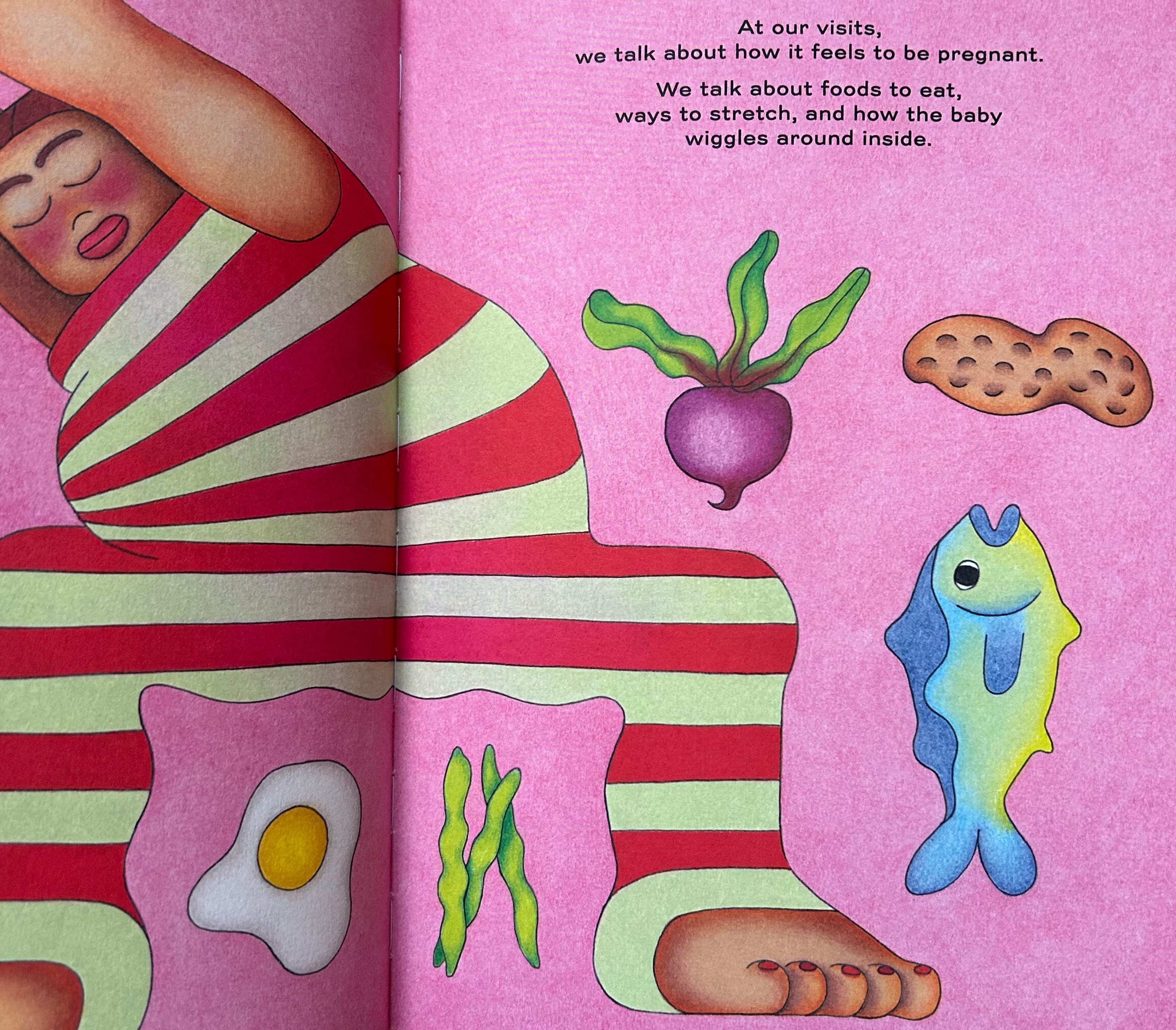
Sophie: It’s such a beautiful book and feels so good to hold in your hands. You can tell everything has been done thoughtfully and with a great deal of intention. As someone who would love to write a children’s book one day, I’m wondering—how do you go from “I would like to do this one day” to actually doing it?
Jo: I’d had this idea for a long time (to write a kids’ book about a midwife), but I wasn’t sure how to do it. I wanted to make it gender neutral, and that was my test to myself: “Can you write a book about what you do without using pronouns for the people you care for?”
Sophie: I loved that aspect because it doesn’t hit you over the head—it’s just like, “this is normal.” Which it is!
Jo: Exactly. The first draft happened fast. I woke up one morning and thought, “I know the book.” I sat down and wrote it, and it felt clear. I realized I could write about me and explain what I do from my perspective. Also, in doing that, I could easily omit pronouns for my patients.
Claudine Eriksson, who ended up doing the graphic design and art direction for the book, was a patient of mine and I delivered two of her babies. After her second baby, she said, “Jo, you’ve been talking about this book for both of my pregnancies. Let’s do it!” I told her, “Claudine, you just gave birth to your second baby and you’re eight weeks postpartum — I’ll call you in a while.”
Finding the right illustrator was actually the hardest part of this whole process. I’d finished writing—it changed a little, but the main parts were there in that first draft. I wrote several longer versions, but I kept coming back to the original, shorter one.
I worked with an illustrator friend for about a year and a half, but it fell apart. Finally, I reached out to Claudine again and said, “Do you want to help me? Because I have no idea what I’m doing.”
Sophie: What was that collaboration like?
Jo: We would meet outside of Stone Fruit (café in Clinton Hill, Brooklyn), still pandemic times, bundled up in many layers, brainstorming this book. She’d ask, “What’s the vision? What do you want, Jo?”
We had trouble finding illustrators until we connected with Haein [Kim]. I found her through an illustrator magazine—I saw these totally psychedelic drawings she did and thought, “Oh my God, this is it! She’s never going to respond to me, but I’m going to email her anyway!” She responded, read the story, and said she was game!
I had a clear vision for the book and had mapped out the story, but Haein took it to incredible places I could have never imagined. My priority was to make it gender neutral, inclusive to all families, colorful, and a little psychedelic. I tend toward a vintage 60s–70s aesthetic, but I also just love color. I wanted this book to feel like art—something beautiful.


Sophie: How did you come to the decision to publish it yourself and start your own press?
Jo: We sent our manuscript and a few drawings to various publishers. Most of them didn’t get it. They didn’t understand why this might be something people would appreciate. Maybe they thought the numbers weren’t big enough—not enough people having babies with midwives.
After enough of those conversations, I realized I wanted full creative freedom. We were having so much fun making it, and I was so committed to our little team that I wasn’t willing to budge creatively. I wanted to make this as a personal creative project. I also felt like I had enough of an audience on my own, so we said, “Well, screw it! Let’s make this into something real, maybe even something that could grow.”
Sophie: You’ve been a midwife for a long time—what was the experience like writing for a young audience? Did you have to unlearn some things?
Jo: Not really. As a midwife, I’m always talking about what I do, teaching people, and being conscious of pronouns, so it wasn’t too hard.
There were a few moments where I thought, “How do I describe the population I care for?” I spent a lot of time figuring out how detailed to go and how to make it as inclusive as possible, but it was a pretty fast process. I did end up with a few other versions where I go into the menstrual cycle and lots of other details—maybe that’s another book. I’d love to teach about the menstrual cycle from a pronoun-neutral perspective.
Sophie: As I was reading, I was like, “I want ten more books about adjacent subjects!”
I think this is my favorite spread in the book, it’s just so good:
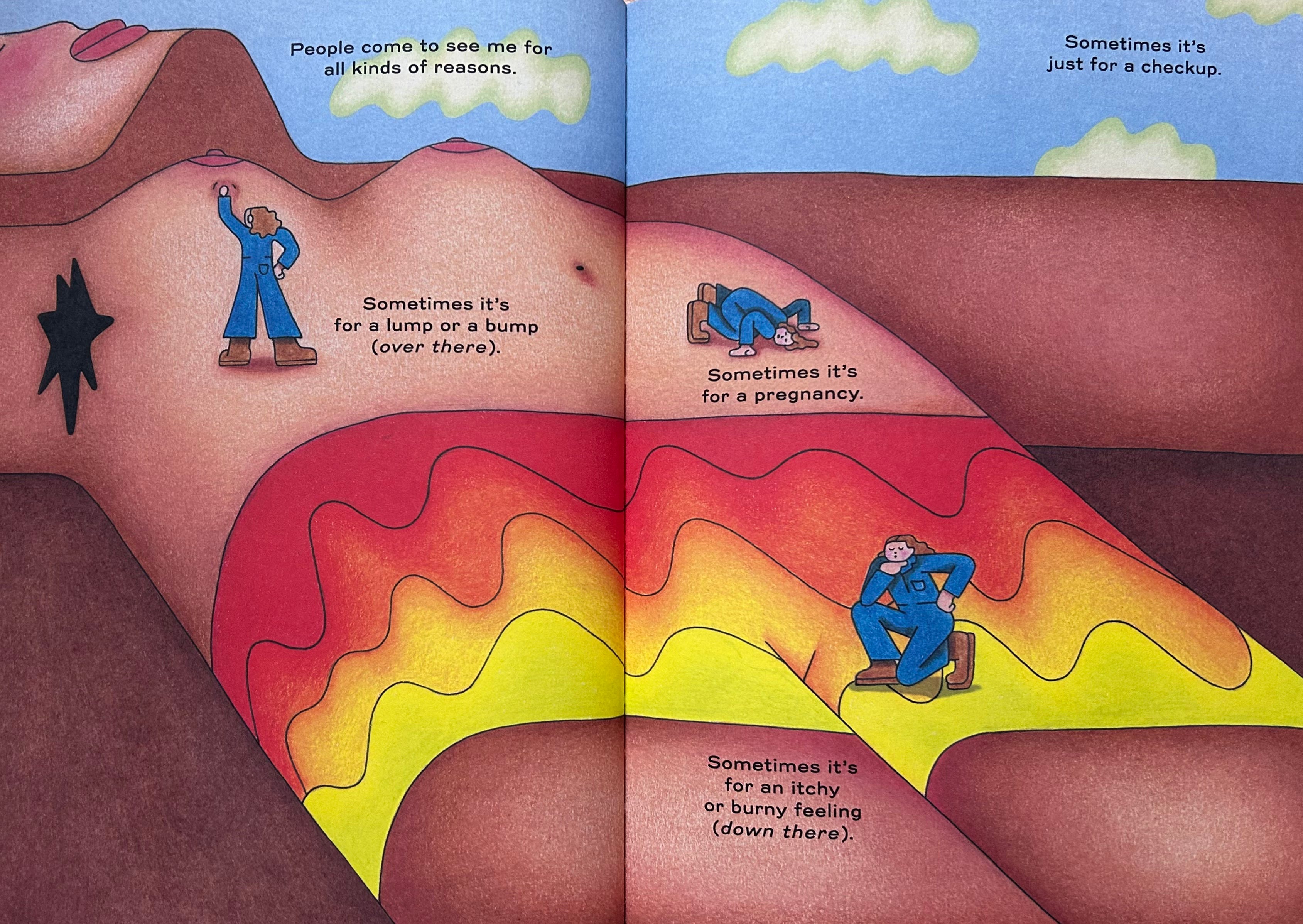
Jo: That was Haein’s magic, honestly. We couldn’t figure that section out for the longest time. My vision was having it be a little like Amelia Bedelia—lots of movement, like “Midwife here! Midwife here! Midwife here!” Some Miss Frizzle/The Magic School Bus vibes too.
There’s also this book I read as a kid called Tell Me a Mitzi, and the illustrations are very movement-focused. Those pages are imprinted in my brain.
I explained what I was imagining, and she sent over some drawings and said, “How about this?” We were like, “Are you a genius? This is amazing!”
Sophie: It’s perfect. She really nailed it. The whole book is so unique—rich, atmospheric, exciting, and downright fun to read. I love the part where you’re called to a labor, get your backpack on, and are walking down the street. I was like, “Look at this magical woman going on an adventure!”
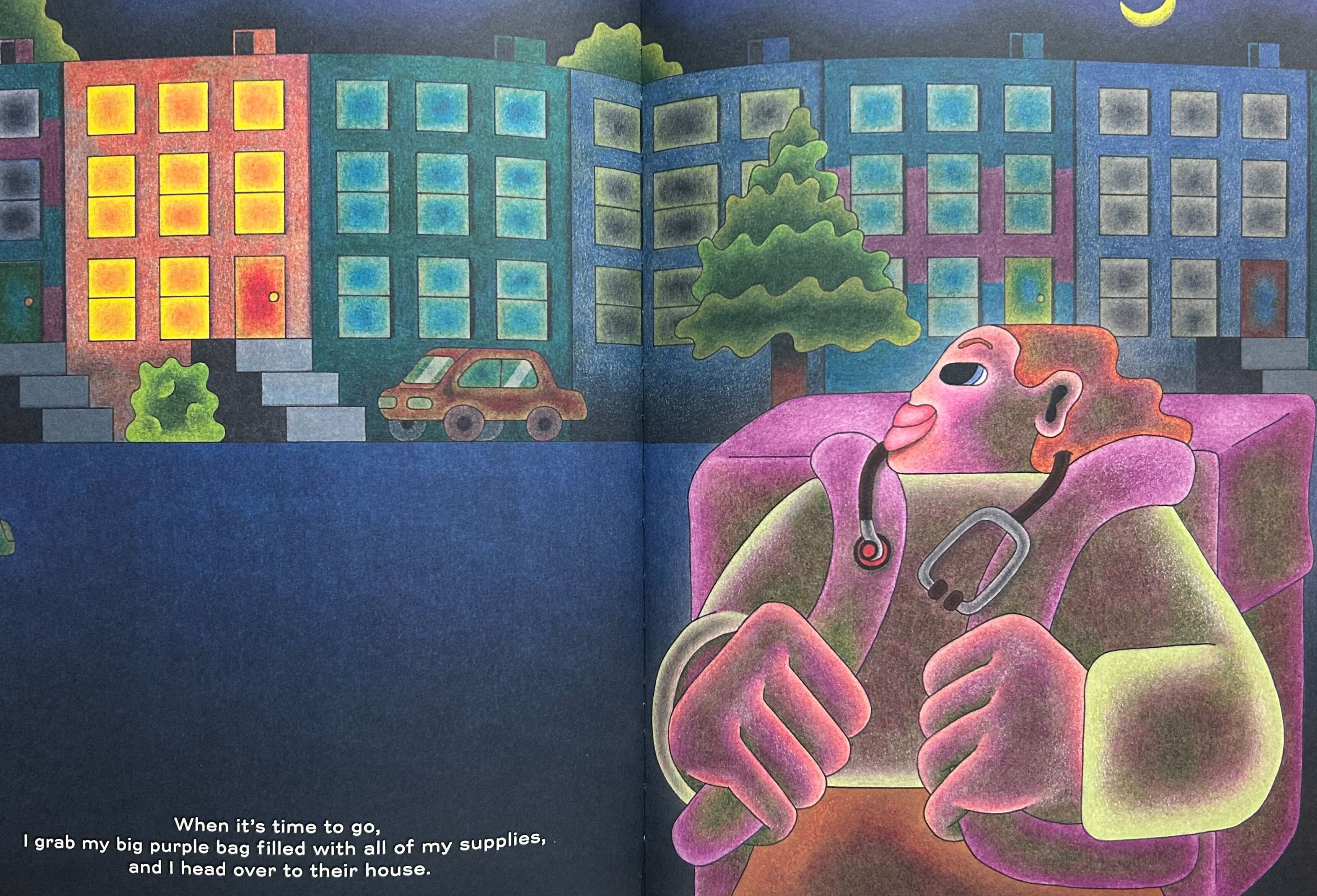
Jo: It’s the illustrations! They were all done in colored pencil. We gave Haein total creative freedom. As the book came together, Claudine and I kept saying, “More is more! The more pattern and color, the better!” Haein has such an incredible sense of color.
Sophie: Did you always know you wanted to include a glossary at the end? I think it’s brilliant and broadens how the book can be used across different age groups.


Jo: My husband kept saying, “You need a glossary!” I wasn’t sure, but we ended up with a few extra pages, so I added one. I’m so glad I did, it really took it to another level.
Sophie: Did you use your own kids as a sounding board while making the book?
Jo: Totally. But I also had other kids read it, because after a many instances of going to them for advice, my kids were like, “Ugh, do whatever you want!” So at first, yes, but then I widened the test audience.
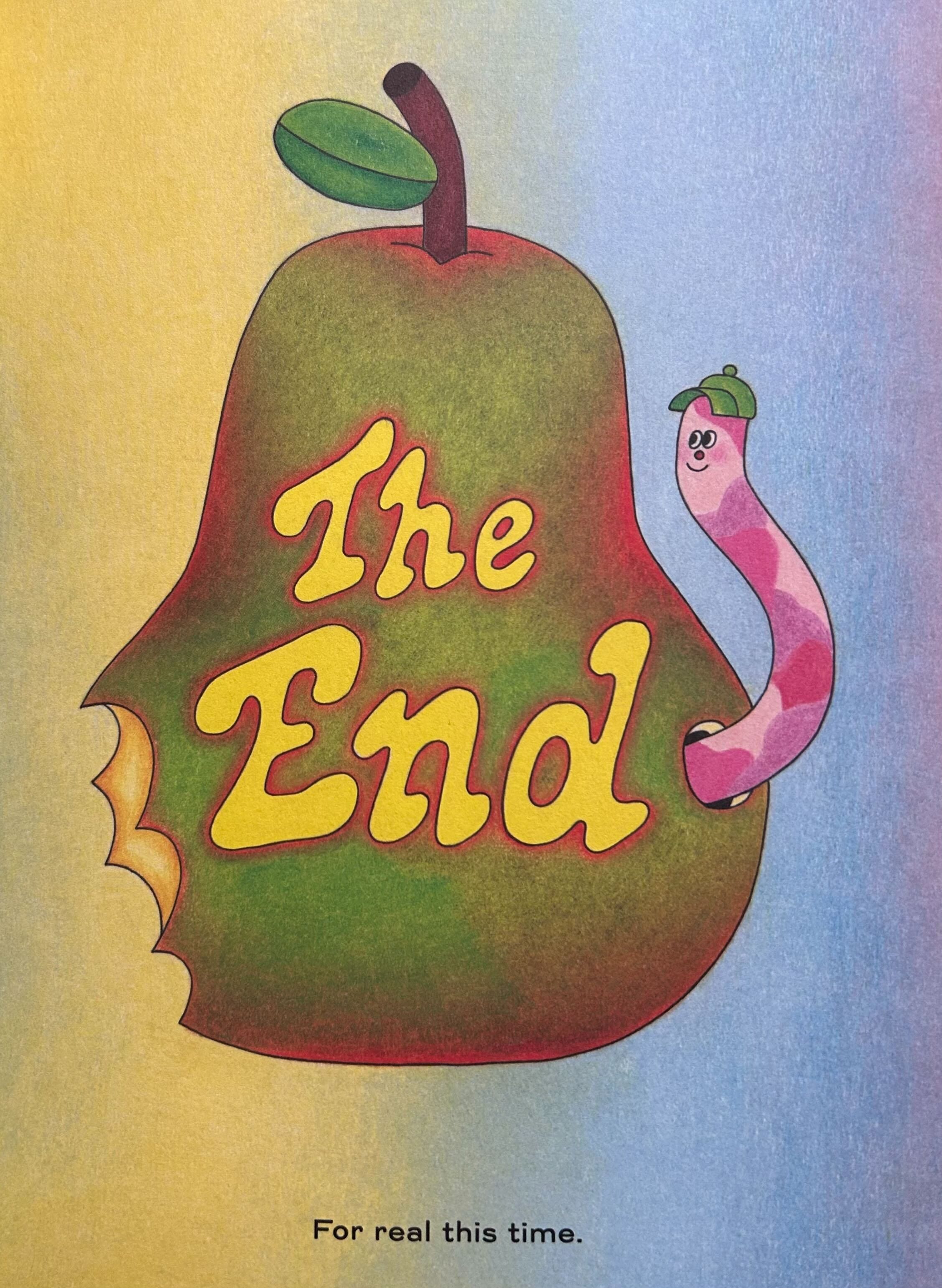
I had friends’ kids read it to see how engaged they were. I added the surprise “The end!...Just kidding!” mostly because I wanted to include the placenta. That’s one thing missing from almost all the books I found, and as a midwife, it’s such a vital part of birth. It’s the moment we’re all waiting for to know everyone is safe and healthy.
When writing the book, I was also conscious of including all kinds of midwives—homebirth, hospital, birth center. I didn’t want to exclude anyone. I also wanted little nods to other midwives, like, “I know, I know. We’re all thinking about the placenta!” And kids love that part!


Sophie: You have so much going on! A thriving midwifery/gynecology practice, a shop, a product line with your sisters, and now Nettle Wellness Press. How do you see all these pieces fitting together?
Jo: It all feels like me. Everything fits within things that I love. Yeah, it’s a little nuts—everything kind of exploded at the same time—but these things have all been brewing for years.
This book was in the making for about four years. The shop came out of the blue when I moved my practice from my brownstone I’d been practicing out of into a commercial space down the street. There was an extra room with a door to the sidewalk, and I thought, “That’s a little shop!” I filled it with things that make me excited—vulva creams, condoms, Plan B, and vintage kids’ clothes.
Sophie: Do you have more projects in the pipeline for the press?
Jo: Right now, no. I’ve been thinking about doing some educational posters, though. Also, I love a calendar—I think they’re wonderful. I love holding them, drawing on them, writing things down. And you get a new one each year! So maybe a calendar…
Sophie: You’ve got your hands full!
Jo: Things have to slow down a little for me in that regard. I’m trying to give this book as much attention as I can, but sometimes I can’t help myself—I love doing a bunch of things at once! It makes me happy!
Sophie: Since this is for a Substack about picture books after all, I have to ask—what are some of your favorites?
Jo: Tell Me a Mitzi was a big one as a kid—that was up there for me. Do you know The Brownstone? I’ve read it with my children so much. It’s about animals exchanging different apartments in brownstones. It’s really fun. I also love Ira Sleeps Over—those illustrations! They’re so beautiful.
As we established, Amelia Bedilia, and I’m also obsessed with The Magic School Bus. I spent so much time looking at those images—all the details! I’d spend hours learning about different topics and admiring Miss Frizzle’s outfits and shoes. I’ve loved sharing that series with my kids. I hope this book is a little nod to that.
I think the gold standard for teaching kids about reproduction is What Makes a Baby? They nailed it.

Sophie: One of the many reasons I appreciate your book is because, let’s be frank, there’s so much crap that comes out for kids these days! So many books with illustrations that look AI-generated just feel so unimaginative.
Flipping through your book, I can tell how much time and love went into each page. It’s magnificent!
Jo: Thank you! I really, really appreciate that. Doing this project made me really look at picture books again. I went through all of ours at home, and my old books from childhood and really sat with them. As a kid, I appreciated the illustrations, but I didn’t fully understand how much work went into them—the art, the lettering, the binding, every little detail.
Oh, and we chose not to have a book jacket because when kids open a book, all they want to do is rip it. And you know what? I get it!
Big thanks to Jo for taking the time to chat with me—I so enjoyed learning about all that went into creating this truly stellar book.
I highly encourage you to grab a copy ASAP, either at your local bookstore or directly from Nettle Wellness Press’ website.
Thanks for reading. If you enjoy children’s books and reading about them, and want to help keep this newsletter free for everyone, consider subscribing for just $5/month. No offspring required.
Lovely interview! So glad I stumbled upon it, as a midwife myself with a passion for picture books, it’s a delight when two passions collide. I will be ordering multiple copies to gift to friends as well ✨
Fabulous! So important to share.